
Liquid Biopsy Technologies are rapidly reshaping the landscape of early cancer detection worldwide, and Turkey is becoming one of the fastest-growing hubs in this field. As global oncology shifts toward minimally invasive diagnostics and precision medicine, Turkish medical centers are adopting liquid biopsy solutions that allow clinicians to detect cancer earlier, monitor treatment response in real time, and identify mutations without the need for surgical tissue biopsies.
This article explores how Turkey is building a strong foundation in molecular diagnostics, which institutions are leading the movement, and what breakthroughs are emerging in early cancer detection.
1. Understanding Liquid Biopsy Technologies
1.1 What Are Liquid Biopsies?
Liquid biopsy is a non-invasive test that analyzes cancer-related biomarkers found in body fluids such as:
- Blood
- Urine
- Saliva
- Cerebrospinal fluid
These biomarkers include circulating tumor DNA (ctDNA), circulating tumor cells (CTCs), exosomes, and microRNA. The rise of Liquid Biopsy Technologies makes it possible to detect cancer-associated genetic changes even before tumors appear on imaging scans.
1.2 Why Liquid Biopsy Matters
Traditional tissue biopsy has limitations:
- It is invasive
- It cannot be repeated frequently
- It may miss heterogeneous tumor mutations
Liquid biopsy offers solutions by enabling:
- Early detection
- Continuous monitoring
- Personalized treatment planning
- Minimal patient discomfort
Turkey’s oncology centers are increasingly integrating these technologies into routine diagnostics.
2. How Turkey Is Emerging as a Leader in Liquid Biopsy Technologies
2.1 Expanding Molecular Oncology Laboratories
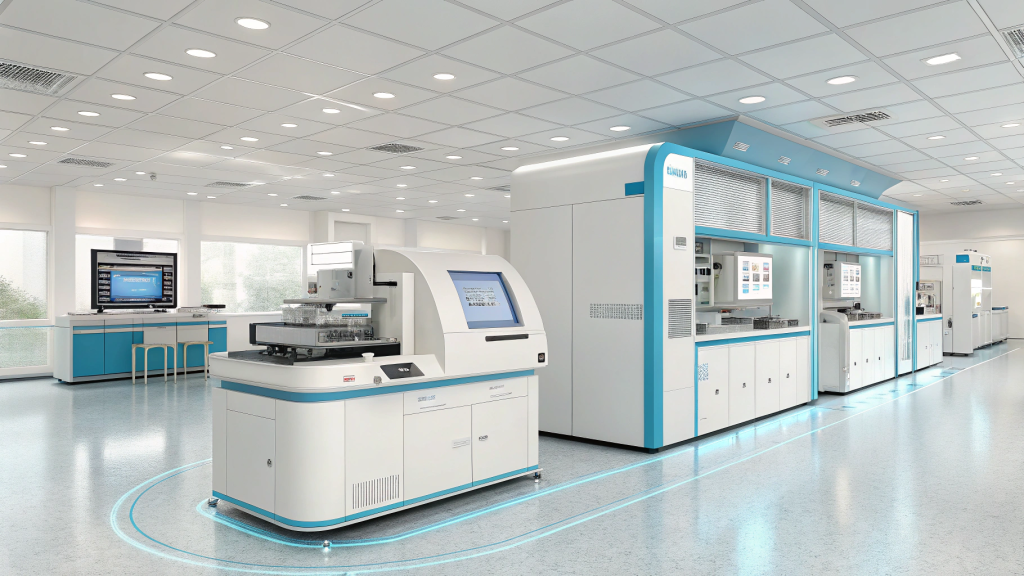
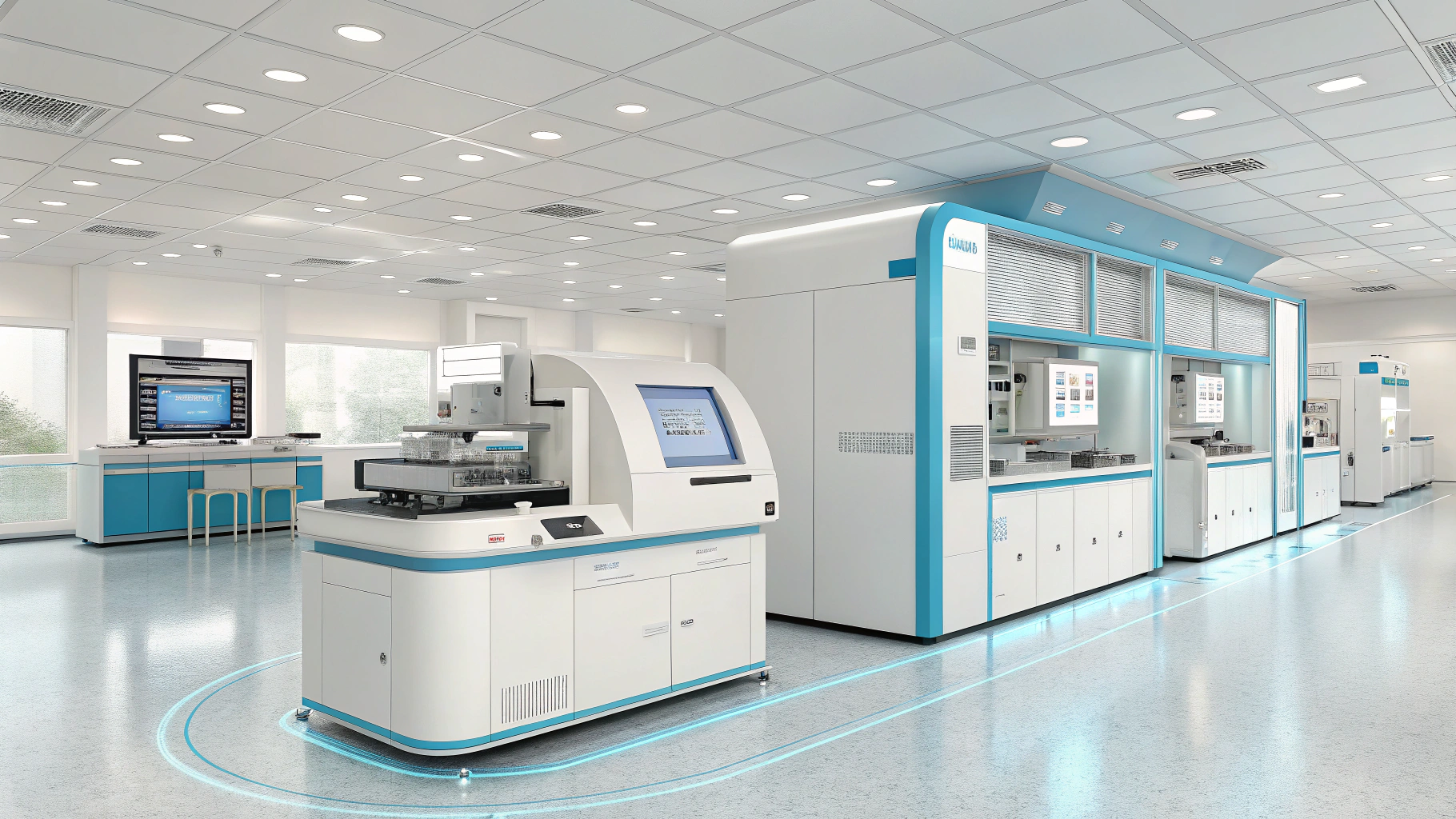
Many leading hospitals in Turkey — including major university hospitals and private oncology centers — now operate advanced molecular genetics laboratories equipped with:
- Next-Generation Sequencing (NGS) platforms
- Digital PCR (dPCR) systems
- Automated DNA extraction instruments
- High-sensitivity mutation detection tools
These facilities make Liquid Biopsy Technologies clinically viable and scalable.
2.2 Government and Research Support
Turkey’s investment in biotechnology and genomics has grown significantly. National cancer programs encourage:
- Early diagnosis
- Screening innovations
- Genomic research collaborations
Institutions frequently participate in international studies through organizations like the European Society of Medical Oncology (ESMO) and European Alliance for Personalized Medicine (EAPM).
3. Clinical Applications of Liquid Biopsy Technologies in Turkey
3.1 Early Cancer Detection
Liquid biopsies are being used to detect early-stage cancers, particularly:
- Lung cancer
- Breast cancer
- Colorectal cancer
- Prostate cancer
- Ovarian cancer
Through ctDNA screening, clinicians in Turkey can identify tumor-associated mutations long before symptoms occur.
3.2 Therapy Response Monitoring
With Liquid Biopsy Technologies, physicians track real-time changes in tumor DNA. This helps them quickly adjust therapy when resistance mutations occur—something impossible with traditional biopsies.
3.3 Minimal Residual Disease (MRD) Detection
Detecting MRD is critical for predicting relapse, especially in leukemia, lymphoma, and solid tumors. Turkish centers increasingly use liquid biopsy MRD panels to determine whether microscopic cancer cells remain after treatment.
3.4 Recurrence Prediction
Liquid biopsy allows for ultra-sensitive detection of cancer recurrence months earlier than imaging. This early warning system can dramatically improve survival outcomes.
4. Technological Innovations in Turkey’s Liquid Biopsy Landscape
4.1 ctDNA Sequencing and Profiling
Next-Generation Sequencing (NGS) has become a widely adopted tool. Turkish laboratories use comprehensive genomic panels to detect:
- EGFR
- BRCA1/2
- KRAS
- ALK
- PIK3CA
- BRAF mutations
This enables targeted treatment approaches.
4.2 Digital PCR Advancements
Digital PCR (dPCR) platforms in Turkey offer high precision for detecting low-frequency mutations—an essential feature for early cancer detection.
4.3 Multi-Cancer Early Detection (MCED) Tests
Emerging MCED tests analyze multiple biomarkers simultaneously. Patients can now undergo a single blood test that screens for dozens of cancer types.
5. Leading Oncology Centers in Turkey Utilizing Liquid Biopsy Technologies
While many institutions contribute to Turkey’s advancements, notable private and academic hospitals with strong molecular oncology departments include:
- Major comprehensive cancer centers in Istanbul and Ankara
- Leading private hospitals with NGS-based diagnostics
- University laboratories collaborating with European oncology networks
These centers use validated methods following guidance from international bodies such as:
- IAEA (International Atomic Energy Agency)
- NCI (National Cancer Institute) –
(Both linked as DoFollow research references)
6. Advantages for International Patients Seeking Liquid Biopsy Diagnostics in Turkey
- Affordable compared to Western countries
- Fast turnaround times for genomic testing
- JCI-accredited hospitals
- Multilingual medical staff
- Fast access to oncologists and genetics experts
- Clinical trial participation opportunities
These factors have positioned Turkey as an attractive destination for precision oncology services.
7. Internal Links (Suggested for Your Website)
(Lütfen kendi sitene göre yönlendireceğim. Burada örnek olarak sunuyorum.)
- AI in Medical Imaging → /ai-medical-imaging
- Cancer Treatment Innovations in Turkey → /cancer-treatment-turkey
8. Frequently Asked Questions (FAQ)
(RankMath FAQ Schema uyumlu)
What makes Liquid Biopsy Technologies important?
They allow early, non-invasive detection of cancer biomarkers and help personalize treatment.
Are liquid biopsies used in Turkey for early diagnosis?
Yes. Many hospitals use ctDNA and CTC analysis to detect cancer earlier than conventional imaging.
How accurate are liquid biopsies?
Advanced NGS and dPCR systems used in Turkey achieve high sensitivity and specificity for cancer-related mutations.
Conclusion
Liquid Biopsy Technologies are redefining early cancer detection, and Turkey is emerging as a regional leader in their adoption. Through advanced molecular diagnostics, strong laboratory infrastructure, and international research collaborations, Turkish oncology centers are bringing precision medicine closer to patients than ever before. As these technologies continue to evolve, early diagnosis will become faster, safer, and more accessible for both local and international patients seeking innovative cancer care.