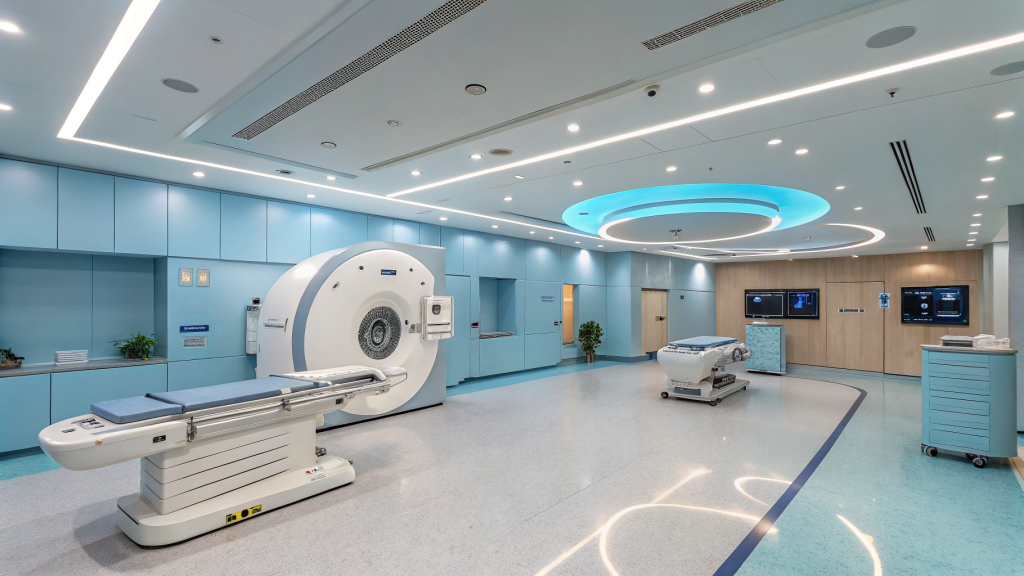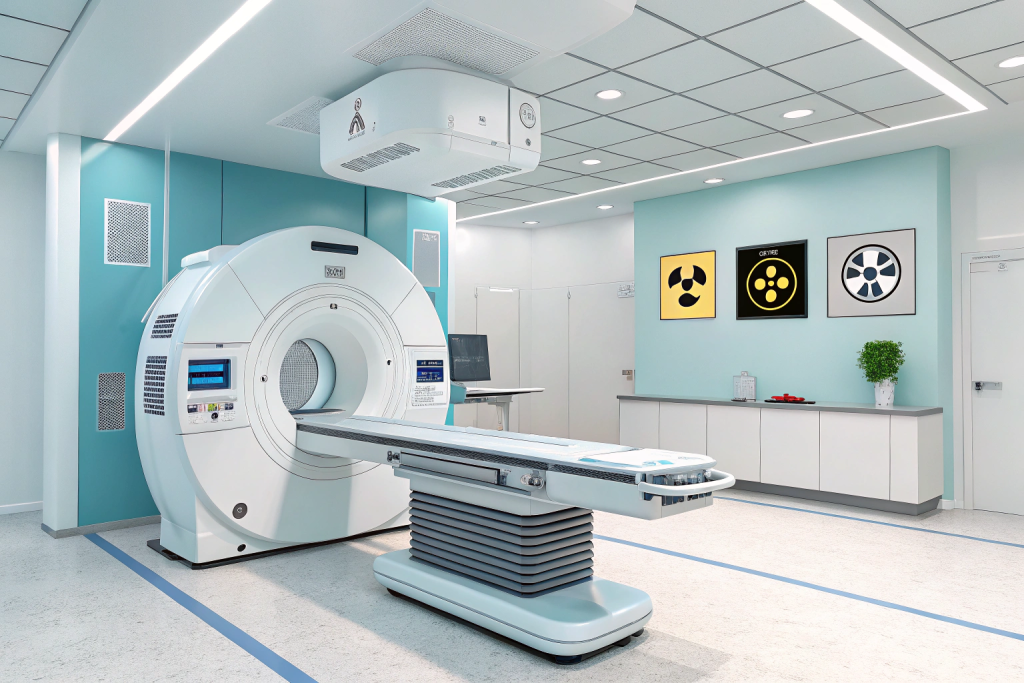

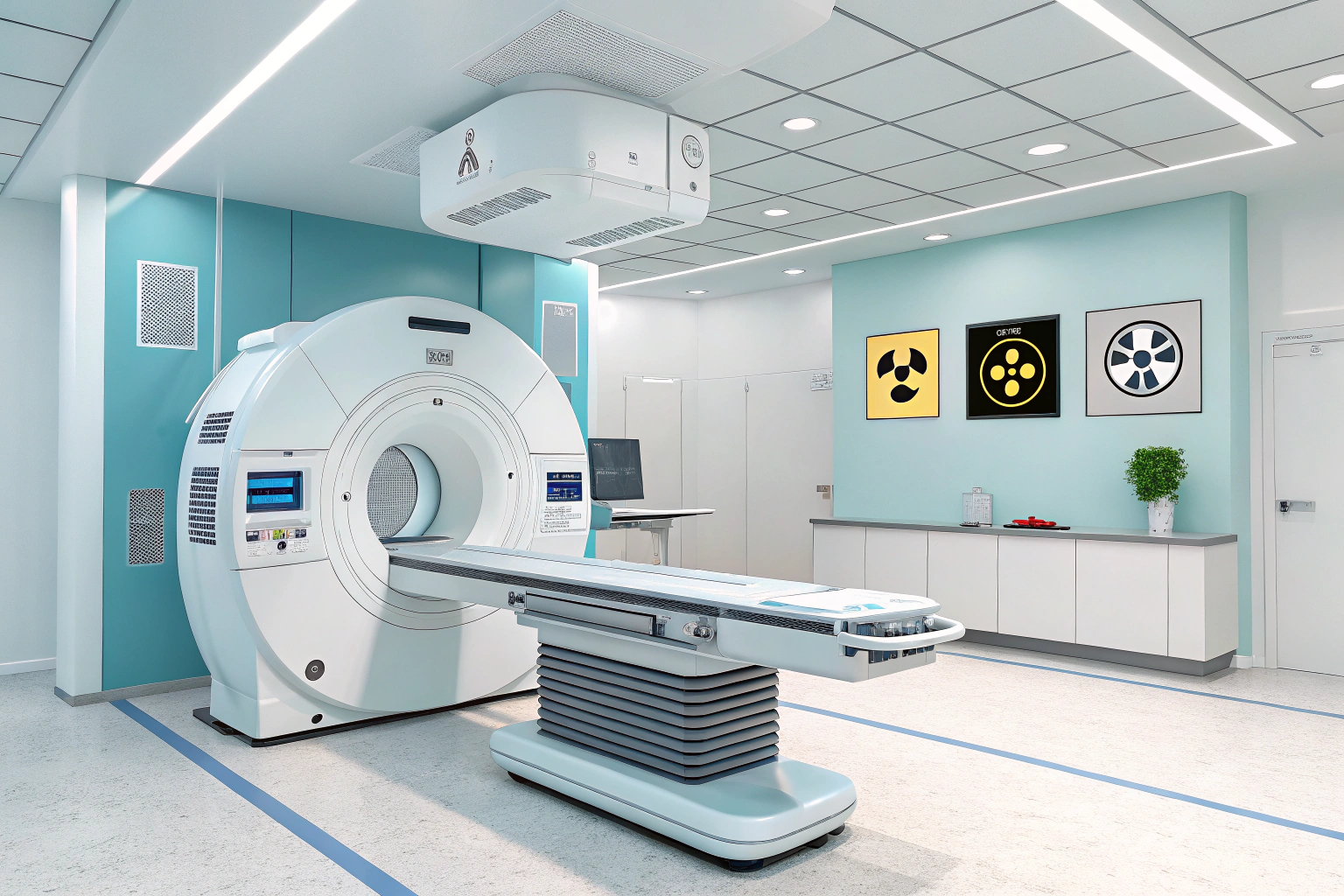
Radiation therapy is one of the most effective tools in modern oncology, but it requires absolute precision, strong safety protocols, and strict adherence to global standards. Over the past decade, Turkey has become a major destination for cancer treatment—attracting patients from Europe, the Middle East, and Central Asia. One of the reasons behind this international trust is the country’s commitment to world-class radiation therapy safety practices.
In this article, we explore how Turkish cancer centers ensure patient safety, what international guidelines they follow, and what patients can expect at each stage of their treatment.
1. Why Safety Protocols Matter in Radiation Therapy
Radiation therapy involves the controlled use of high-energy beams to target cancer cells. Although the technology is extremely precise, ensuring safety requires:
- Accurate dose calculation
- Safe equipment operation
- Patient-specific treatment planning
- Continuous monitoring and verification
- Strict quality assurance (QA) procedures
Without these layers of protection, patients could face unnecessary side effects or receive suboptimal treatment. This is why globally recognized organizations—such as the International Atomic Energy Agency (IAEA), American College of Radiology (ACR), and European Society for Radiotherapy & Oncology (ESTRO)—set strict guidelines.
Turkish centers not only follow these protocols but often aim to exceed them.
2. International Standards Followed by Turkish Radiation Therapy Centers
Most advanced cancer hospitals and private oncology networks in Turkey align their systems with the following international standards:
2.1 IAEA Safety Standards
The International Atomic Energy Agency offers detailed frameworks for:
- Radiation protection
- Medical exposure control
- Machine calibration
- Facility design
Turkish cancer centers frequently undergo IAEA audits or adopt their recommendations to ensure maximum patient safety.
2.2 AAPM and ESTRO Protocols
Turkish medical physicists rely heavily on guidelines from:
- AAPM (American Association of Physicists in Medicine)
- ESTRO (European Society for Radiotherapy & Oncology)
These organizations publish protocols for:
- Linear accelerator calibration
- Dose verification
- Phantom testing
- Patient safety audits
2.3 JCI Accreditation
Many Turkish hospitals hold Joint Commission International (JCI) accreditation, which ensures:
- Rigorous safety processes
- Proper staff training
- Quality management systems
- Accurate documentation
This accreditation is recognized globally and reassures patients that the institution follows high-level safety standards.
3. How Turkish Centers Ensure Precise Radiation Dose Delivery
High-precision radiation therapy requires careful planning. Here is how Turkish centers manage it:
3.1 Multidisciplinary Treatment Planning
A typical planning team includes:
- Radiation oncologists
- Medical physicists
- Dosimetrists
- Radiologists
The entire group works together to define:
- Tumor location
- Safe margins
- Risk zones
- Patient positioning
3.2 Advanced Radiotherapy Techniques
Leading centers in Turkey use:
- IMRT (Intensity-Modulated Radiation Therapy)
- VMAT (Volumetric Modulated Arc Therapy)
- IGRT (Image-Guided Radiation Therapy)
- SRS / SBRT (Stereotactic radiosurgery & radiotherapy)
- Proton therapy in selected international partner facilities
These technologies ensure that radiation is delivered only where it is needed, minimizing exposure to healthy tissues.
3.3 Daily Image Guidance
Before each session, therapists perform image verification via:
- Cone-beam CT
- Surface imaging systems
- Ultrasound (for prostate cases)
This step ensures that the patient is positioned correctly and the tumor is targeted accurately.
4. Equipment Calibration and Quality Assurance (QA)
Safety in radiation therapy heavily depends on quality assurance, machine calibration, and regular system maintenance.
4.1 Daily, Weekly, and Monthly QA Checks
Medical physics teams in Turkey conduct:
- Daily output checks of linear accelerators
- Weekly mechanical accuracy measurements
- Monthly dose calibration tests
This multilevel QA approach ensures machines perform with millimeter-level precision.
4.2 Annual Independent Audits
Many hospitals participate in independent dosimetry audits, where outside organizations verify:
- Dose accuracy
- Machine consistency
- Compliance with global standards
4.3 Redundancy and Backup Systems
Modern radiation centers implement:
- Backup power supplies
- Redundant safety interlocks
- Emergency shut-off systems
- Real-time monitoring software
These layers of protection prevent accidental exposure or treatment interruption.
5. Patient Safety Measures During Treatment
Beyond technical processes, Turkish cancer centers prioritize patient comfort and safety throughout treatment.
5.1 Patient Immobilization
Customized immobilization devices are commonly used:
- Thermoplastic masks (for head and neck tumors)
- Vacuum cushions (for body treatments)
- Breath-hold systems (for left-sided breast cancer)
These tools keep the patient stable and help deliver highly precise doses.
5.2 Real-Time Monitoring
During treatment, therapists observe:
- Patient motion
- Machine indicators
- Beam progress
- System alerts
If any abnormality is detected, treatment stops automatically.
5.3 Detailed Treatment Verification
After each session, electronic records are reviewed to confirm:
- Correct dose delivered
- Accurate beam angles
- Machine performance logs
This ensures long-term consistency across all treatment sessions.
6. Staff Training and International Expertise
One of the strengths of Turkish oncology centers is their highly trained staff.
6.1 Radiation Oncologists
Many Turkish specialists:
- Train in Europe or the United States
- Participate in ESTRO, AAPM, and ASTRO courses
- Contribute to international research
6.2 Medical Physicists
Turkish physicists undergo rigorous education and often hold:
- Graduate degrees in medical physics
- Certifications aligned with IAEA or AAPM guidelines
- Training on advanced LINAC systems
6.3 Continuous Safety Education
Hospitals conduct:
- Emergency simulations
- Radiation safety courses
- Annual competency evaluations
This ensures the entire team stays updated with the latest safety protocols.
7. Patient Education and Transparency
Turkish centers also emphasize educating patients about:
- Treatment goals
- Side effects
- Radiation safety
- Post-therapy care
Patients receive printed and digital materials to help them understand each step of their treatment.
Additionally, many institutions provide:
- Multilingual support teams
- Dedicated treatment coordinators
- Translation services
This makes Turkey one of the more patient-friendly cancer care destinations.
8. Why International Patients Trust Turkish Radiation Therapy Centers
Here are the reasons Turkey stands out:
- Compliance with global safety standards
- Modern linear accelerators (Varian, Elekta, Siemens)
- Experienced medical physicists and radiation oncologists
- Competitive pricing compared to Europe and the US
- High patient satisfaction rates
- Short waiting times
These factors collectively make Turkey a preferred destination for high-quality, safe radiation therapy.
Conclusion
Turkish radiation therapy centers consistently meet—and often exceed—international safety standards. Through advanced technology, rigorous QA protocols, and highly trained oncology teams, patients receive world-class care delivered with precision and compassion.
Whether you are a local patient or someone considering treatment abroad, Turkey offers a safe, reliable, and technologically advanced environment for radiation therapy.